
Plan piano-lab headphones as a shared system: verify every piano jack and required adapter, choose durable wired models that students can adjust, set a safe monitoring procedure, label units and create cleaning, storage and replacement routines. Do not purchase a class set from impedance or price alone.
Key takeaways
- Start with the exact module, pad and documented connection.
- Change one variable at a time and save the baseline.
- Test soft, normal and demanding real playing.
- Separate hardware, settings, routing and technique.
- Stop when damage, unsafe levels or physical discomfort appears.
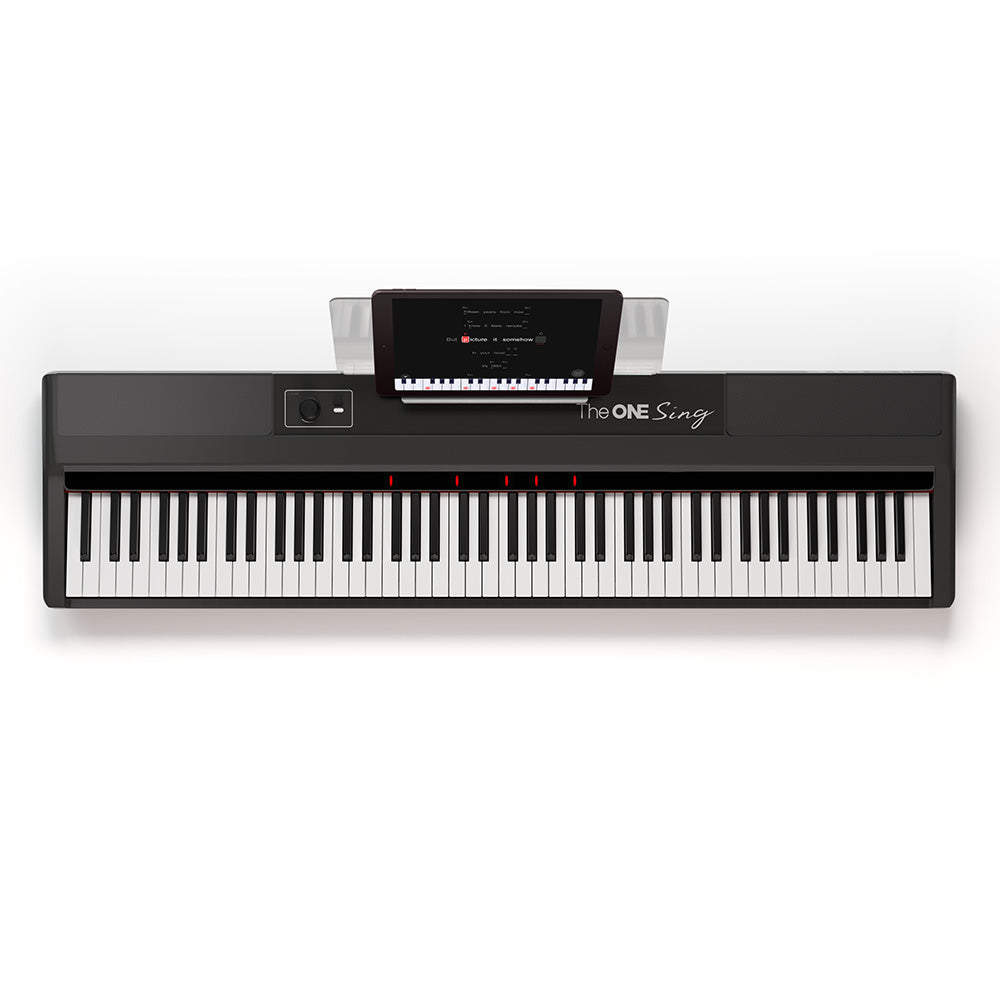
What must be compatible in a piano lab?
Check connector size, socket location, output level, cable reach and whether plugging in headphones mutes speakers. If teacher monitoring or paired listening is required, verify the exact lab system rather than assuming ordinary splitters will work.
The first question is not “Which setting is best?” but “What observable result must improve?” Write down that result so a change can be accepted or reversed.
How should a school compare headphones?
Pilot several units with different students and lesson tasks. Compare fit range, comfort, intelligibility, isolation, cable strain relief, replaceable parts and cleaning instructions. Avoid a model that sounds impressive but cannot survive storage and daily adjustment.
| Check | Useful sign | Warning sign |
|---|---|---|
| Connector | Fits directly or with secured adapter | Loose stacked adapters |
| Fit | Adjusts across student range | Excess pressure or slipping |
| Serviceability | Pads/cables replaceable where practical | Whole unit discarded for minor wear |
| Storage | Cable not sharply bent | Tangled or load-bearing hooks |
Use a controlled setup and test sequence
- Inventory piano outputs and teaching workflows.
- Pilot two or three compatible wired models.
- Set and demonstrate a conservative starting volume.
- Label headphones, adapters and storage positions.
- Create a damage, cleaning and replacement log.
Repeat the final test after a short break. A setup that works once but cannot be reproduced is not yet ready for a lesson, recording or purchase decision.
What should you do when the result is wrong?
If one station sounds different, swap one known-good headphone and adapter before changing piano settings. If many students report low level, verify the same source and volume policy. Intermittent sound often points to cable, plug or jack strain rather than headphone impedance alone.
Document the symptom, exact model, connections, relevant settings and the smallest reproduction. That evidence is more useful to support or a teacher than a list of random changes.
Apply the decision in real practice
Run a fifteen-minute normal session that includes quiet strokes, accents, fast passages and movement around the kit. Check whether the solution remains comfortable and whether another part of the system has become the new limitation. For shared setups, repeat with each player rather than assuming one configuration fits everyone.
Maintain a reversible baseline
Photograph cable routing, hardware positions and settings pages before further experiments. Name saved presets with the kit, software and date. When firmware, an app, a computer or a pad changes, return to the short acceptance test instead of assuming the old result still applies.
Translate teaching requirements into a specification
A beginner lab may require clear piano tone, spoken-instruction intelligibility and simple adjustment. An ensemble lab may need a teacher system that can monitor individuals or groups. A composition lab may also play computer audio. Write these workflows separately. For each, identify who controls volume, whether speakers mute when headphones connect, and whether two listeners ever share one station. This prevents buying a uniform class set that supports private practice but fails the actual lesson design.
Model three lab scenarios
Elementary shared room
Priorities are broad fit range, simple left/right identification, limited loose adapters and a cleaning method staff can repeat. The pilot should include the smallest and largest intended users and a complete class changeover.
Secondary ensemble lab
Durability and isolation matter, but students must still hear teacher cues through the intended monitoring system. Test accompaniment, metronome and spoken communication together; isolation that blocks the teaching workflow is not automatically an advantage.
College production room
Longer sessions, computer playback and critical listening may justify replaceable pads, longer-term serviceability and more detailed sound evaluation. Still verify that demanding headphones reach a useful level from the actual piano output without adding an unnecessary amplifier to every station.
Plan hygiene without damaging equipment
Define whether units are individually assigned or shared, who cleans them, what approved product touches pads and headbands, and how drying occurs before storage. Removable ear pads are useful only if replacements exist and staff can fit them correctly. Never spray electronics or saturate porous cushions. School health policy and manufacturer care instructions must agree.
Calculate the operational quantity
Count active stations, teacher and demonstration positions, accessibility needs, test/spare units and known adapter types. A spare strategy is not a fixed percentage: derive it from failure history, procurement lead time and whether one broken unit stops instruction. Store adapters with station IDs so “missing sound” does not become a daily connector hunt.
Complete a seven-day pilot
- Fit representative users and record adjustment range.
- Run quiet individual practice and a teacher demonstration.
- Test spoken instructions, accompaniment and metronome balance.
- Perform the approved cleaning and storage routine.
- Inspect cables, plugs and pads after repeated changeovers.
- Swap one failed component using the documented spare process.
- Collect discomfort, audibility and setup-time feedback before purchasing the fleet.
The deliverable is a station diagram, approved model and adapter list, volume procedure, hygiene method, storage map and replacement owner—not merely a headphone model name.
Define volume governance and incident response
Decide who sets the default piano volume, whether students may override it, and how teachers respond when a learner cannot hear comfortably. The first response should be to check fit, connection, source balance and the known-good comparison unit—not simply raise the level. Document how tinnitus, ear discomfort, damaged cables or hygiene concerns are reported and who can remove a unit from service.
For purchasing approval, present a requirements matrix rather than a brand ranking: required connector, fit range, cleaning method, replaceable components, warranty route, delivered cost and pilot result. Any missing critical field remains an open decision, not an assumption.
Related learning path
Use the parent electronic-drum guide for the broader decision, continue with the closest related troubleshooting or practice page, and confirm current product context through The ONE’s official drum collection.
Frequently asked questions
Should a lab use Bluetooth headphones?
Wired models avoid pairing, batteries and typical wireless latency during real-time playing.
Can students share headphones?
Follow school hygiene policy and the manufacturer’s cleaning guidance; individual assignment may simplify control.
Is higher impedance better?
No. Output capability, sensitivity and required listening level must be considered together.


