
Knowledge
How Adults Can Measure Piano Progress Month by Month
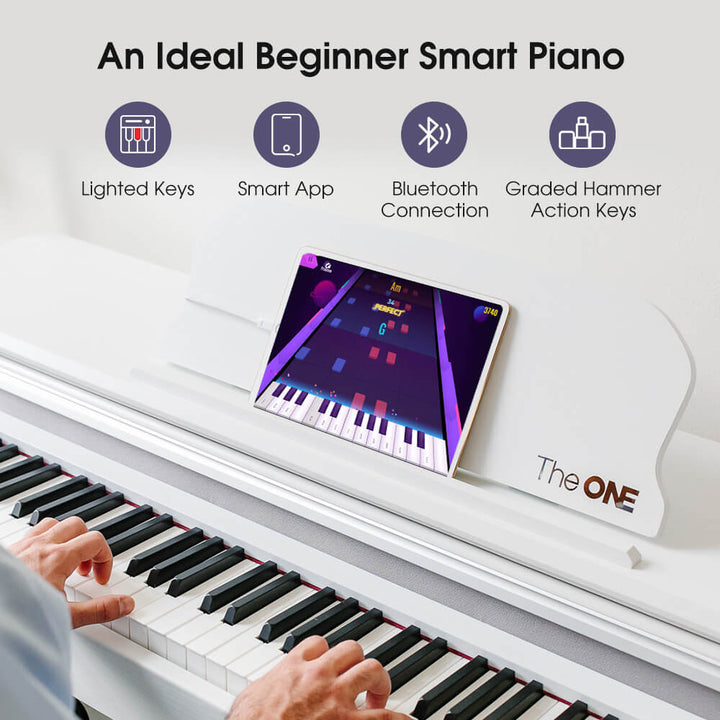
Adult piano progress is easier to see when you compare evidence, not moods. Instead of asking whether you “feel better,” keep the music constant...
Learn, choose and care for your instruments with confidence.
Shop Now
Latest from the studio
Knowledge
Adult piano progress is easier to see when you compare evidence, not moods. Instead of asking whether you “feel better,” keep the music constant...
Knowledge
Fear of wrong notes often changes the way an adult practices: the tempo becomes unnaturally slow, every slip triggers a restart, and attention shifts...
Knowledge
Adult piano beginners do not need to finish a theory curriculum before making music. They need a compact set of ideas that explains what...
Knowledge
Educational music screen time becomes active learning when the child listens, predicts, sings, moves, plays an instrument, makes a choice, and applies the result...
Knowledge
Piano practice rewards are most useful when they help a child start a new routine or notice a productive strategy. They become counterproductive when...
Knowledge
A complete adult beginner does not need to learn everything at once. The useful first sequence is smaller: find notes without panic, keep a...

Knowledge
To restart piano after a long break, do not begin by proving that you can still play your hardest former piece. Spend the first...
Knowledge
A workable piano routine for a busy professional must survive meetings, travel, fatigue, and interrupted evenings. Instead of relying on one ideal session length,...

Knowledge
First piano recital preparation should make the performance situation familiar without demanding a perfect result. Confirm the piece and event details early, practise starting...

Knowledge
Hand size affects which intervals a child can reach comfortably, but it does not determine whether the child is ready to learn piano. When...
Knowledge
Piano games and structured lessons solve different learning problems. Games can make repetition inviting, give immediate feedback, and help a child begin. Lessons organize...
Knowledge
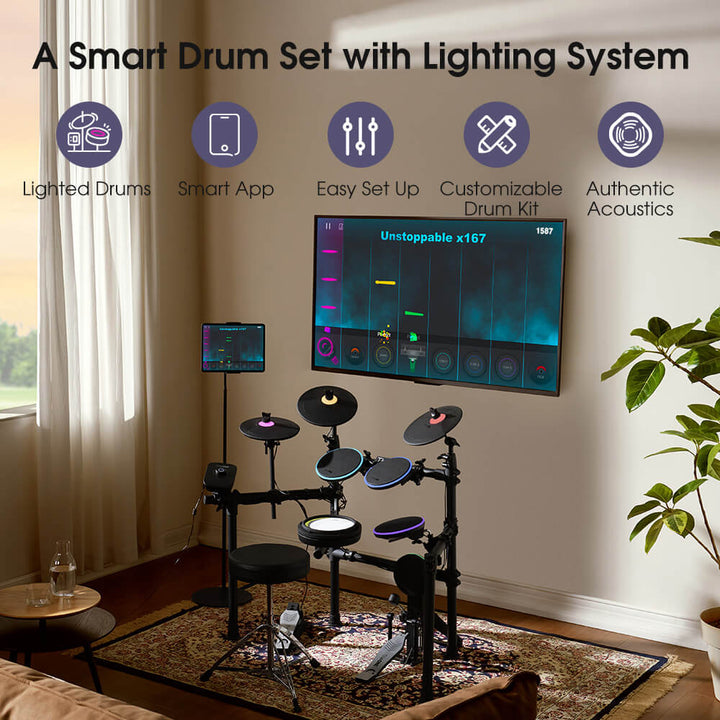
An electronic drum kit is a connected system: playing surfaces create trigger signals, the module interprets them, and headphones or speakers reproduce sound. The...
Knowledge
Digital piano polyphony is the maximum number of voices an instrument can produce at the same time. It is not simply the number of...
Knowledge
Effective electronic drum practice develops dependable timing before speed, adds one limb or variation at a time, and uses listening or recording to test...
Knowledge
A workable piano teaching plan begins with the class format, the students’ starting points, and one shared musical outcome. In a group, every learner...
Knowledge
Adults can learn piano effectively when the plan fits their goal, available attention, and previous experience. Progress is easier to sustain when you work...
Knowledge
Digital piano troubleshooting should begin by describing the symptom precisely, preserving current settings, and testing one variable at a time. Many apparent faults come...

Knowledge
A beginner electronic drum kit should fit the player, room and learning plan. Pad layout, pedal feel, rack stability, headphone use and expansion...
Knowledge
A reliable smart piano setup begins by identifying the job the connection must perform. Streaming sound to the piano, sending note data to a...
Knowledge
Choose a digital piano by starting with the player, the room, and the next several years of use—not with the longest feature list. Key...
Knowledge
Parents help a child learn piano most effectively by creating reliable conditions for learning—not by becoming a second teacher. A suitable lesson arrangement, an...
Knowledge
A useful beginner piano routine does more than fill a set number of minutes. It gives each session a clear purpose: prepare the hands...

Knowledge
Piano dynamics are controlled changes in loudness and musical intensity. For a beginner, the first goal is not to produce every marking from pp...
Knowledge
A smart MIDI keyboard can be the center of an affordable home studio because it lets creators play melodies, program drums, control software instruments,...
Start with a topic
Choose the area that matches what you are learning, buying or setting up.
Build technique, reading, rhythm and confidence through practical learning paths.
Open guide →Choose, set up and practise with electronic drums at home.
Open guide →Use connected lessons and practice tools without letting the app replace deliberate practice.
Open guide →Compare key action, sound, speakers, size and connectivity before choosing.
Open guide →Place, connect, clean and maintain your instrument for reliable everyday use.
Open guide →Built around real instruments
Every guide is organized around a practical decision: what to practise next, what features matter and how to keep an instrument working well.
Browse The ONE instruments →
Check out the FAQs


Start the chat now